Spring Awakening
Southern Wisconsin's first edibles appear as snow retreats — in floodplain forests, riverbanks, and shaded oak hollows. Spring foraging rewards early risers and patient observers.
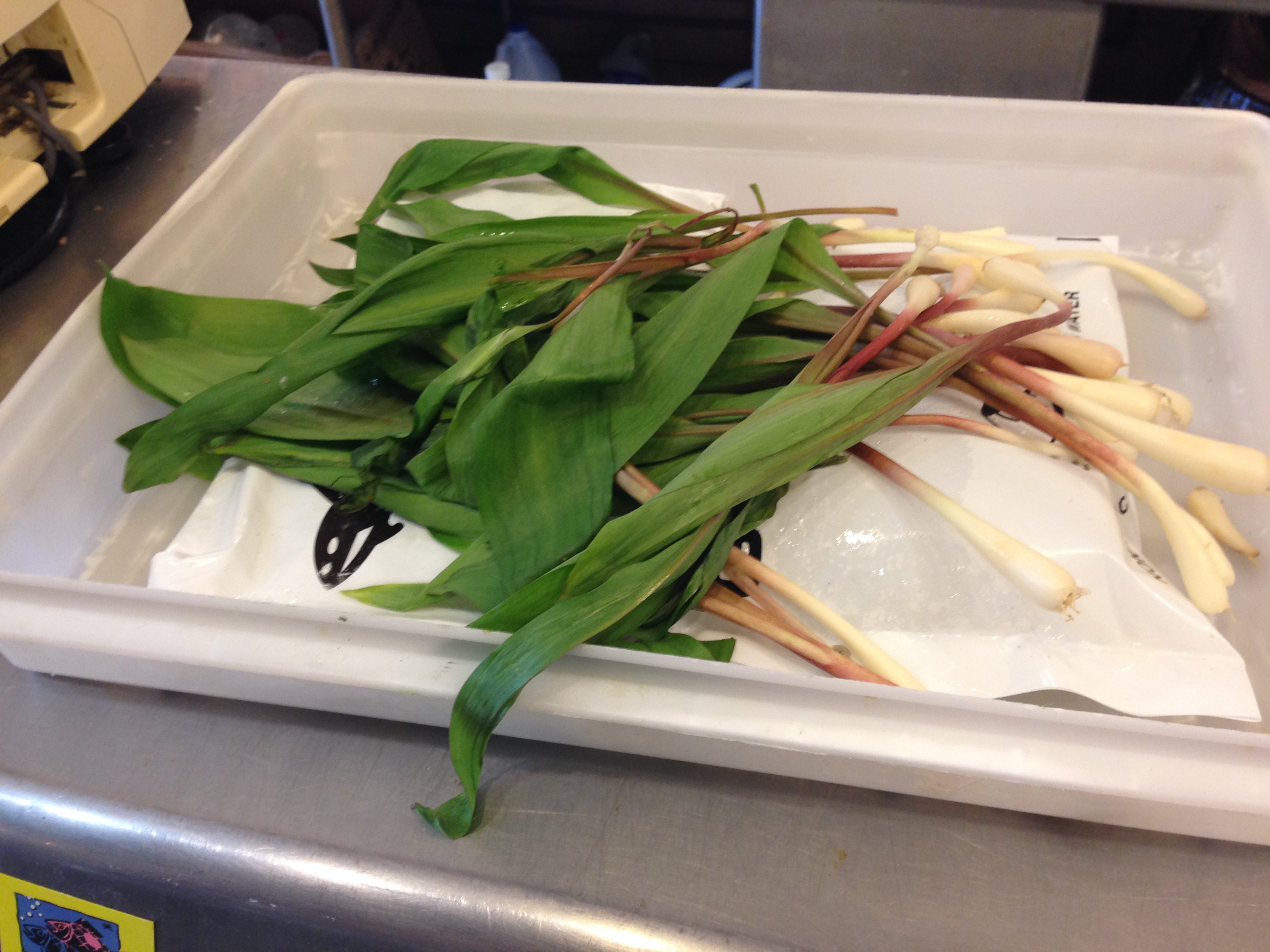
- Broad, smooth, elliptical leaves 6–12" long — emerges before most other plants
- Distinctive garlic/onion smell when leaf is bruised — this is the key test
- Reddish-purple stem at base transitioning to white bulb underground
- Leaves die back before the white flower stalk appears in May–June
Native American staple food — Ojibwe and Potawatomi used ramps heavily as spring medicine after winter. Strong antibiotic and cardiovascular properties. Use raw in salads, sautéed with eggs, in soups. Every part is edible: bulb, stem, leaf.
Rich, moist floodplain forests and wooded hillsides. Look in maple-basswood and oak stands along the Rock River and Sugar River corridors. Often found in large colonies.
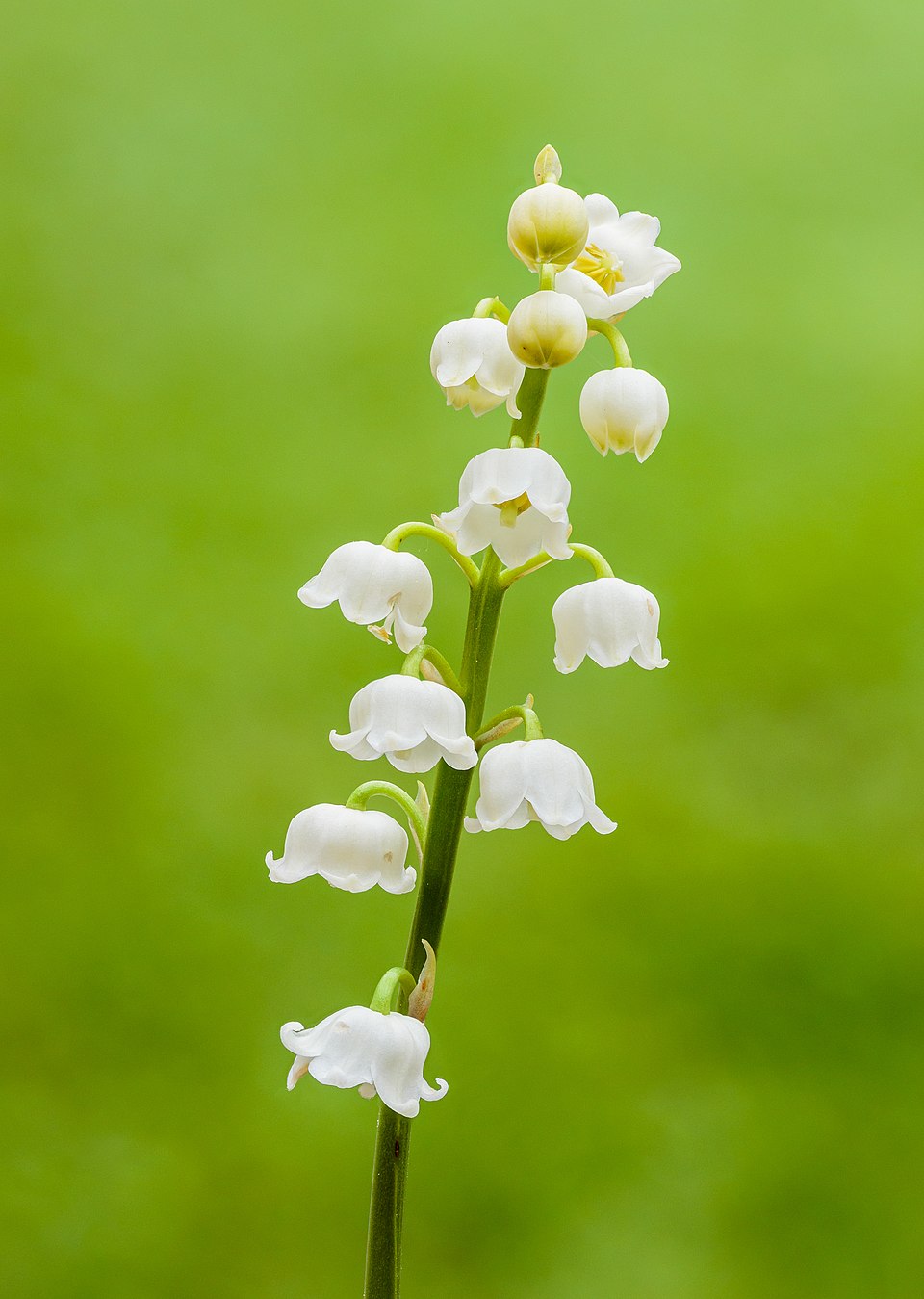
Similar broad leaves, same moist habitat. Deadly poisonous. The critical difference: crush a leaf — ramps smell strongly of garlic/onion; lily of the valley has no onion smell. Also watch for false hellebore (Veratrum viride) — its pleated, corrugated leaves are unmistakably different up close.
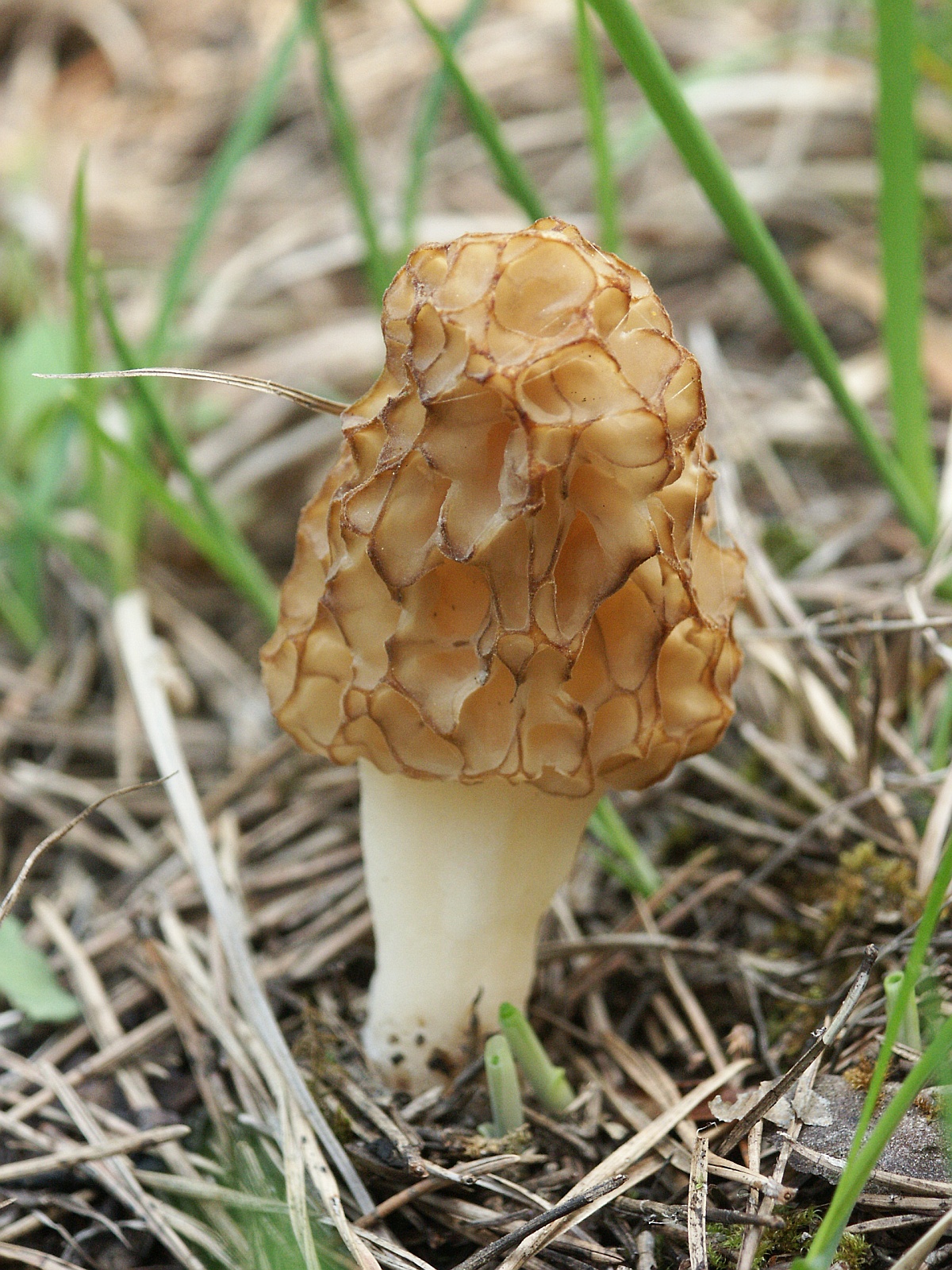
- Unmistakable honeycomb pattern — ridges and pits covering the entire cap
- Cap is attached directly to the stem at the base (no overhang)
- When cut in half: completely hollow from stem base to cap tip — no internal chambers
- White/cream to tan color when young; yellowing with age; 2–6" tall
- Found near dying elms, ash trees, old apple orchards, disturbed ground
Prized culinary mushroom — nutty, earthy, complex flavor that intensifies when dried. Always cook before eating; raw morels cause mild GI distress. Sauté in butter, add to pasta or risotto, or dry for year-round use.
Under dying or recently dead elm trees (Dutch elm disease victims), ash trees, old apple orchards. Rock County: check forest edges at Beckman Mill County Park, Afton State Park vicinity, and oak-hickory stands along Turtle Creek. Peak window: late April through mid-May.
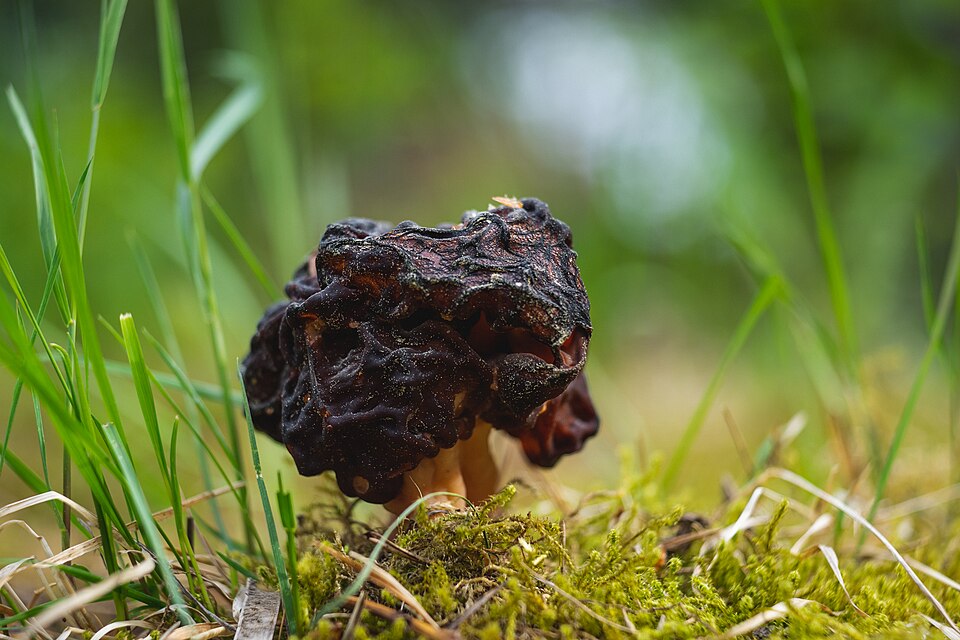
Contains gyromitrin, which metabolizes to monomethylhydrazine — potentially fatal. Key difference: false morel cap is irregularly wrinkled like a brain, not honeycomb pitted. Cut test: false morel cap has internal chambers, not completely hollow. Do not eat.
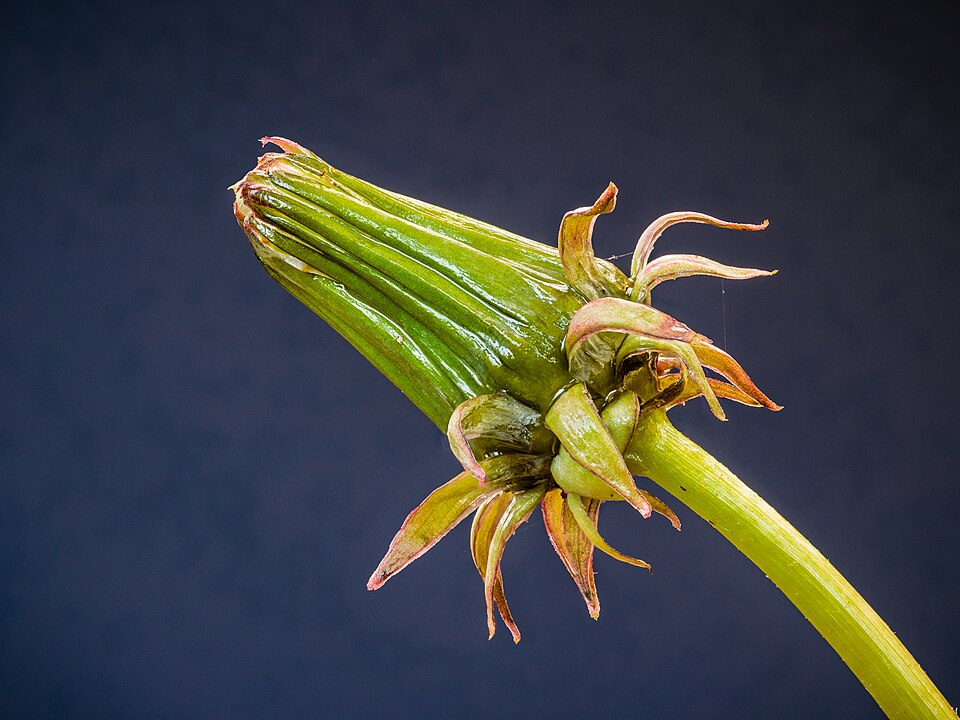
- Deeply toothed ("lion's tooth") leaves in a basal rosette, all from one central point
- Single hollow stem per flower — oozes white milky sap when broken
- Bright yellow composite flower; turns to iconic white seed globe
- Taproot is thick, brown outside, white inside — mild bitter smell
One of the most nutritionally dense wild plants — leaves outperform spinach in vitamins A, C, and K. Young spring leaves (before flowering) are least bitter — best raw in salads or sautéed in olive oil with garlic. Flowers can be battered and fried or made into wine. Roasted root makes a coffee substitute. Traditional liver and kidney tonic; documented cholagogue properties.
Everywhere — lawns, roadsides, field margins, disturbed ground. Harvest from unsprayed areas only. The best plants grow in rich disturbed soil: park edges, farm field margins, old pastures throughout Rock County.
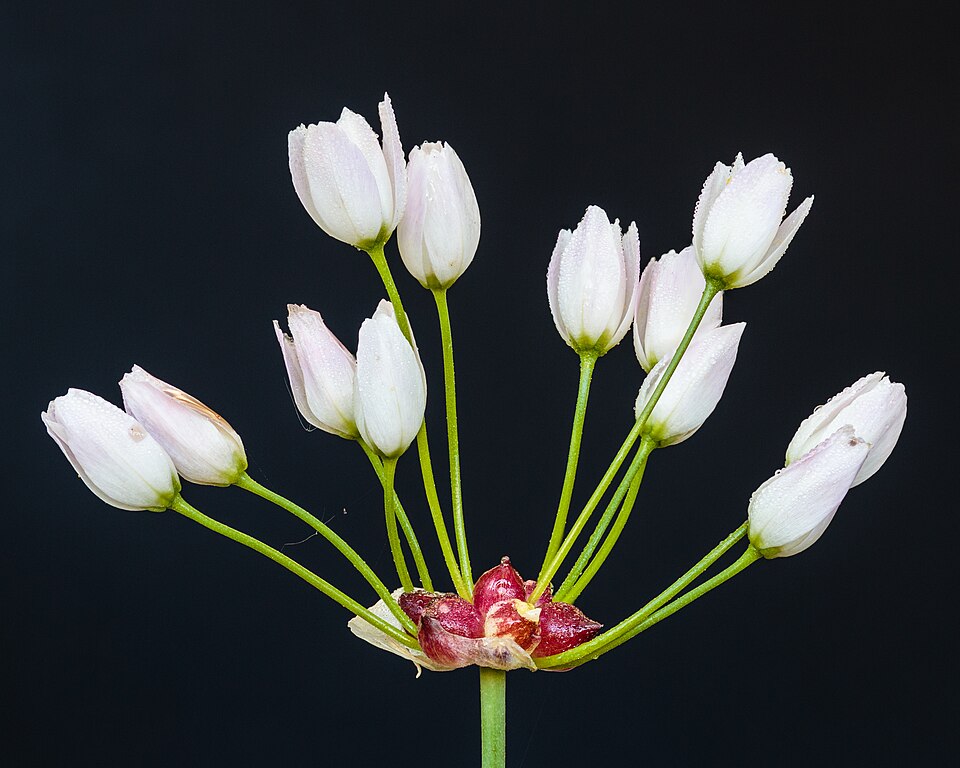
- Hollow, grass-like flat leaves — round or flattened depending on species
- Strong unmistakable onion or garlic smell from any part — always do the smell test
- Umbel flower head with small pink/white flowers, or papery bulblets replacing flowers
- Small white-pink underground bulb
Flavoring and food across all Native American nations in the region. Use as a substitute for cultivated garlic or onion — milder but complex flavor. Leaves excellent in soups, stir-fries, or raw on sandwiches. Bulbs can be pickled.
Moist prairies, open meadows, roadsides, and disturbed areas throughout Rock County. Common in prairie remnants along the Rock River floodplain. Look in meadow edges and old field margins April–June.
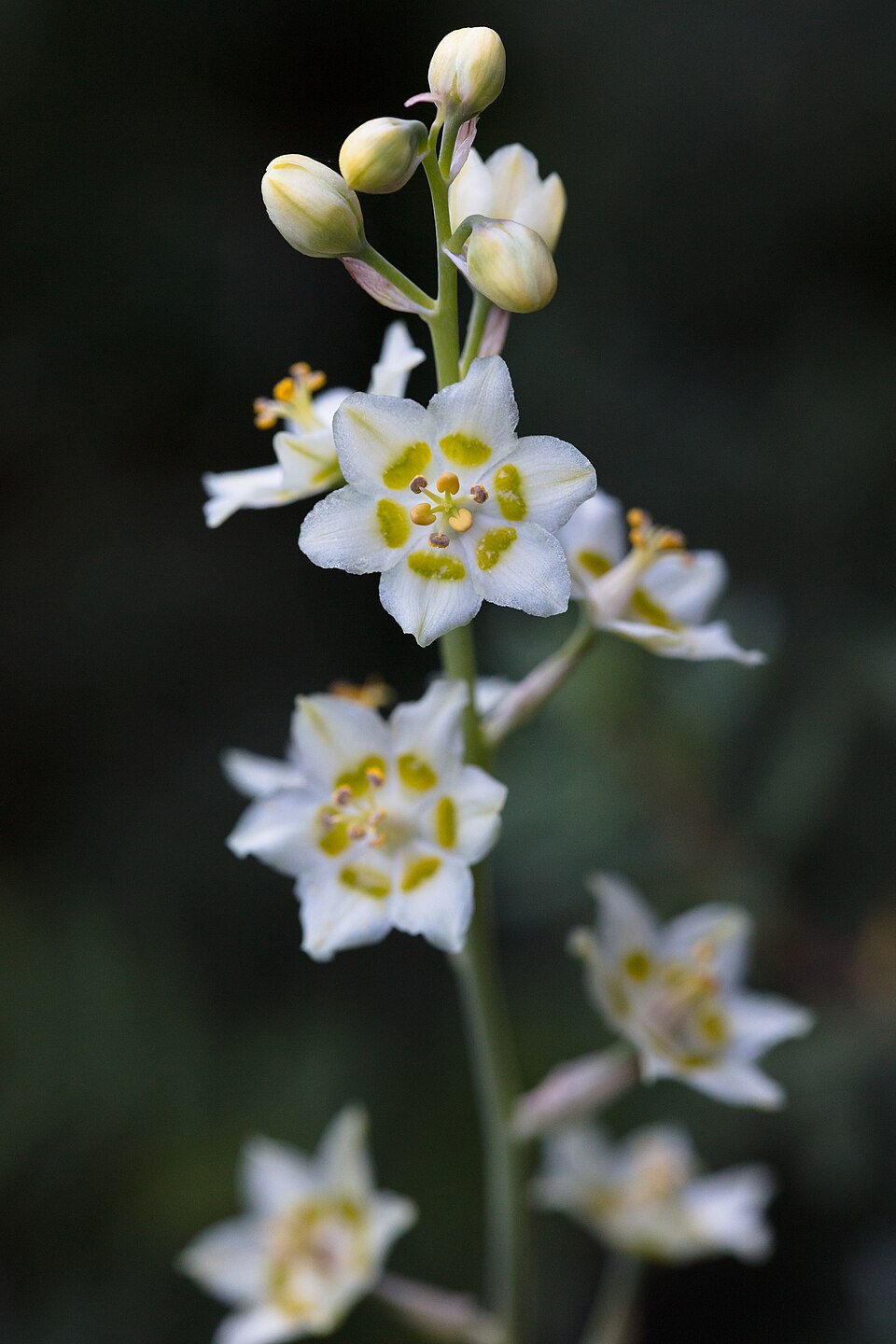
Extremely toxic. Similar grass-like leaves. Critical difference: death camas has no onion smell. If it doesn't smell like onion when crushed, do not eat it. Death camas also has cream/yellowish flowers and a different bulb structure — dark coating on the outside.
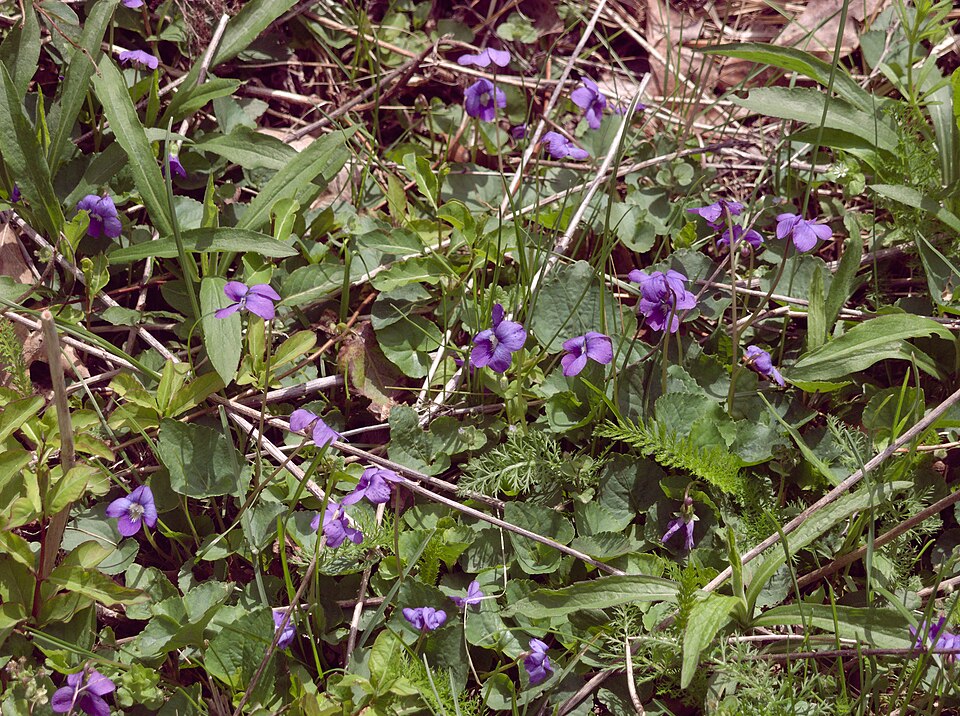
- Heart-shaped leaves with rounded, scalloped edges — arising from base
- Distinctive 5-petal blue-purple flowers, lower petal with dark veining
- 2–8" tall; flowers April–June before leaves reach full size
- No visible stem between leaf and ground (petiole connects directly to root crown)
Both flowers and leaves are edible. Leaves are exceptionally high in vitamins A and C — more than most cultivated greens. Young leaves can be eaten raw in salads or cooked like spinach. Flowers are beautiful in salads, candied as cake decorations, or made into violet jelly. Long used in folk medicine as anti-inflammatory and demulcent.
Lawns, woodland edges, shaded roadsides, and open disturbed ground throughout Rock County. One of the most common spring wildflowers in Southern Wisconsin — hard to miss once in bloom. Prefer moist, partially shaded areas.
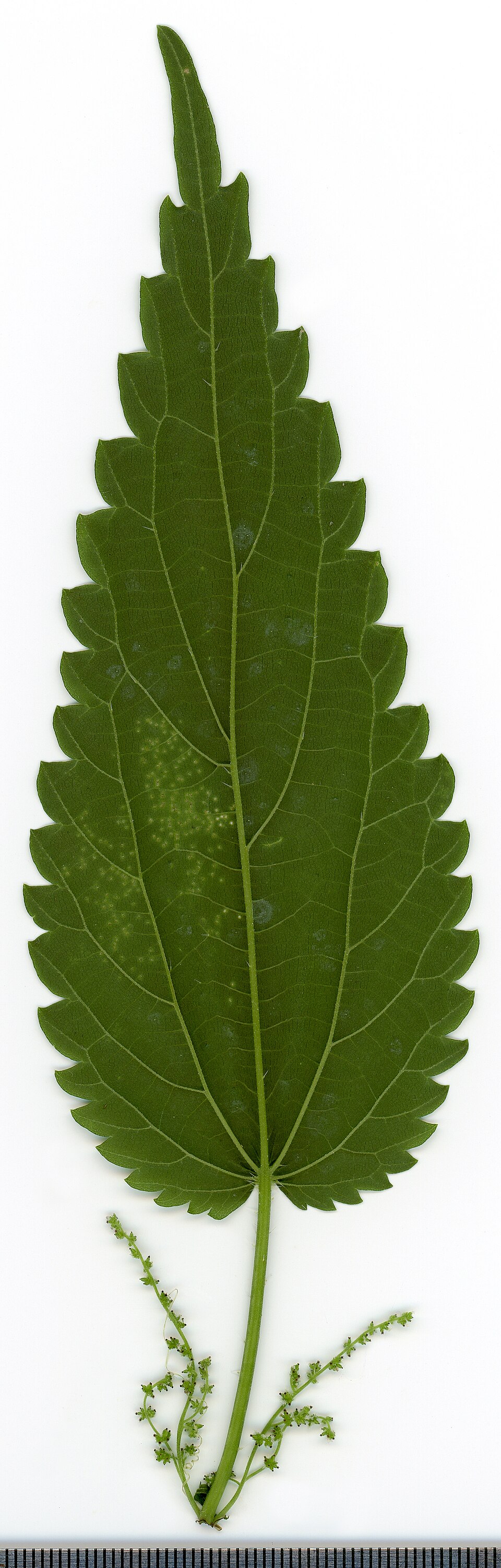
- Opposite, coarsely toothed, heart-shaped leaves; 2–5" long
- Covered in fine hollow stinging hairs on both leaves and stem — you will know
- Square stem; grows in dense colonies 3–6 feet tall by summer
- Small greenish flowers in drooping clusters; dioecious (separate male/female plants)
One of the most nutritionally complete wild plants — iron, calcium, magnesium, vitamins A and C. Stinging stops when cooked, blanched, or dried. Use young spring tips (top 4 inches) — steam or blanch like spinach, add to soups, make nettle tea, dry for year-round use. Traditional use for joint pain, allergies, and benign prostatic hyperplasia is well-documented clinically. Harvest with gloves.
Moist disturbed ground, stream banks, woodland edges, and old farmsteads throughout Rock County. Look along the Rock River, Sugar River, and Turtle Creek corridors. Forms large dense colonies — once you find a patch, it's reliable every year.
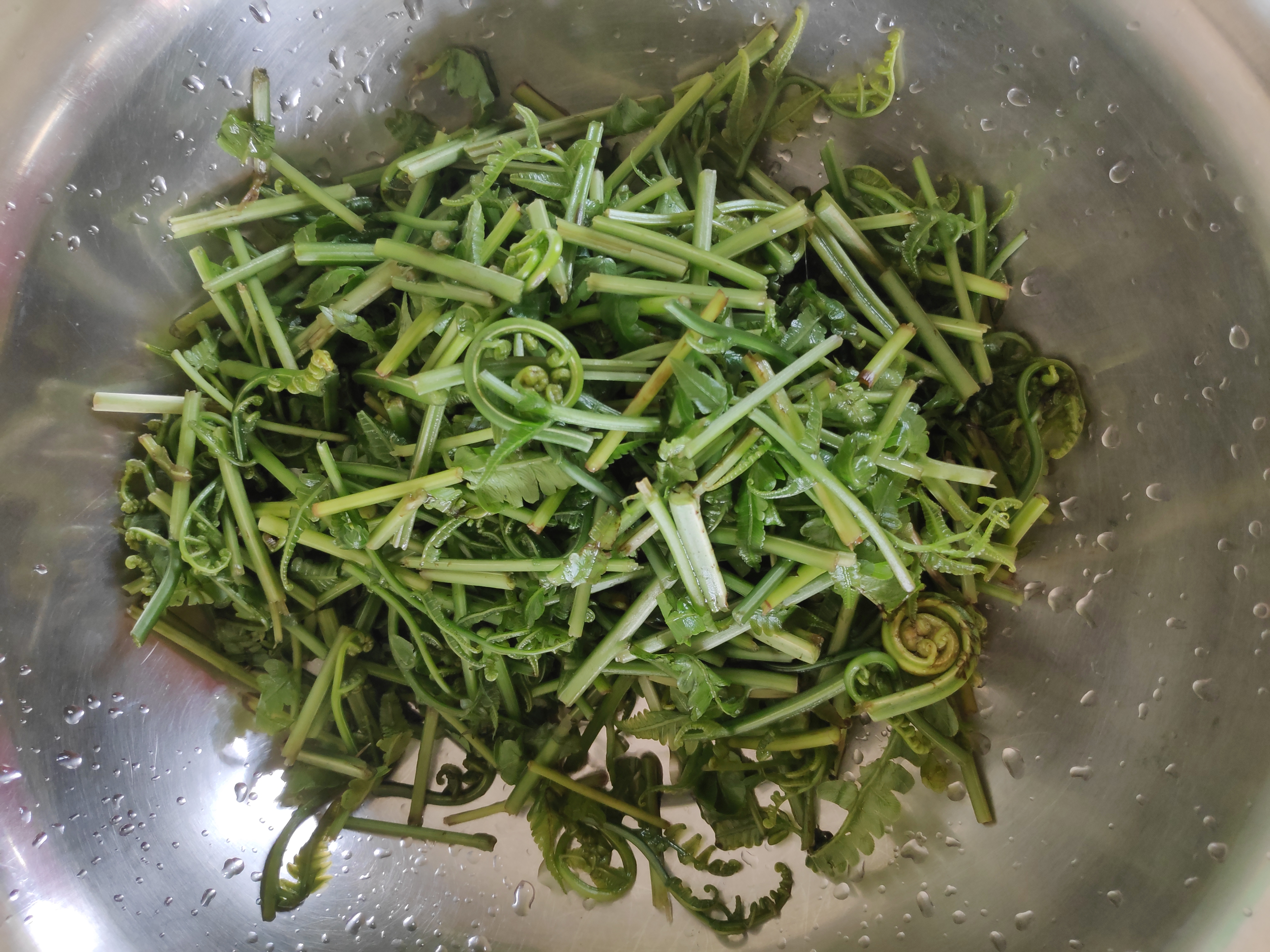
- Tightly coiled emerging frond — resembles the scroll of a violin (the "fiddlehead")
- Papery brown scales covering the coil that brush off easily
- U-shaped or grooved groove running along the inside of the stem (not round)
- Emerges from vase-shaped colony of fronds; stands usually in moist river bottomlands
- Harvest when 1–4" tall, before they begin to unfurl
Traditional spring delicacy across the Great Lakes region — rich, green flavor similar to asparagus crossed with spinach. Always cook thoroughly — raw or undercooked fiddleheads cause nausea and vomiting (reason unknown, but consistent). Steam, sauté in butter, or blanch and add to pasta. Brief 2–3 week harvest window in late April.
Moist, shaded riverbanks and floodplain forests. Rock County: look along the Rock River bottomlands near Milton, the Sugar River State Trail corridor, and shaded stream banks in Beloit to Janesville stretch. Often in dense colonies — mark the location in fall when the brown spore stalks are visible.
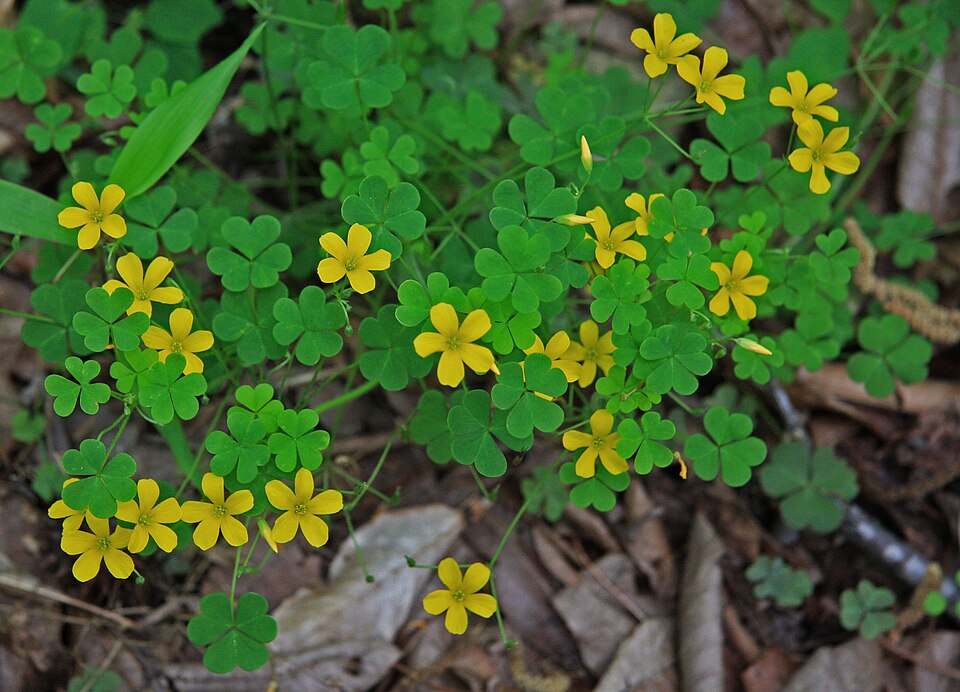
- Three heart-shaped leaflets — resembles clover but leaflets fold in half at midrib
- Bright, lemony-tart taste (from oxalic acid) — characteristic and unmistakable
- Small 5-petal yellow flowers; slender upright seed pods
- Leaflets close at night or in cloudy weather (nyctinasty)
One of the best trail snacks — bright lemony flavor like mild lemon juice. Use leaves raw in salads for acidity, or as a garnish. Can make a lemonade-like drink by steeping leaves in water. Good source of vitamin C. Moderate consumption fine; large quantities not recommended due to oxalic acid content (same issue as spinach and rhubarb).
Common throughout Rock County in lawns, gardens, disturbed ground, open woodland floors, and roadside verges. One of the most widely distributed weedy plants in Southern Wisconsin — present in virtually every habitat type from spring through fall.