Green Eye Open · Healing Movements Guide

One bell. Fifteen minutes.
Your living room floor.

Healing isn't about grinding harder. It's about moving smarter — with intention, breath, and body awareness. These aren't advanced gym protocols. They're tools that work in your bedroom, your backyard, or between meetings.

Light Kettlebell Flows Breathwork Restorative Stretches Mobility Desk Worker Friendly
Scroll to explore
⚙ Kettlebell 🌬 Breathwork 🌿 Mobility

Who this is for: Those who need a body tune-up — who sit too much, move too little, and feel it. These movements are therapeutic — recovery-focused, not performance-focused. If you're coming back from an injury, managing chronic tightness, or just want to move without pain, this is your starting point.

Section 01 — Light Kettlebell Work

One bell, 10–15 lbs.
Healing, not heavy.

These aren't strength workouts. They're movement conversations with your body. The focus is control, breath, and rebuilding the patterns your desk job has been slowly destroying.
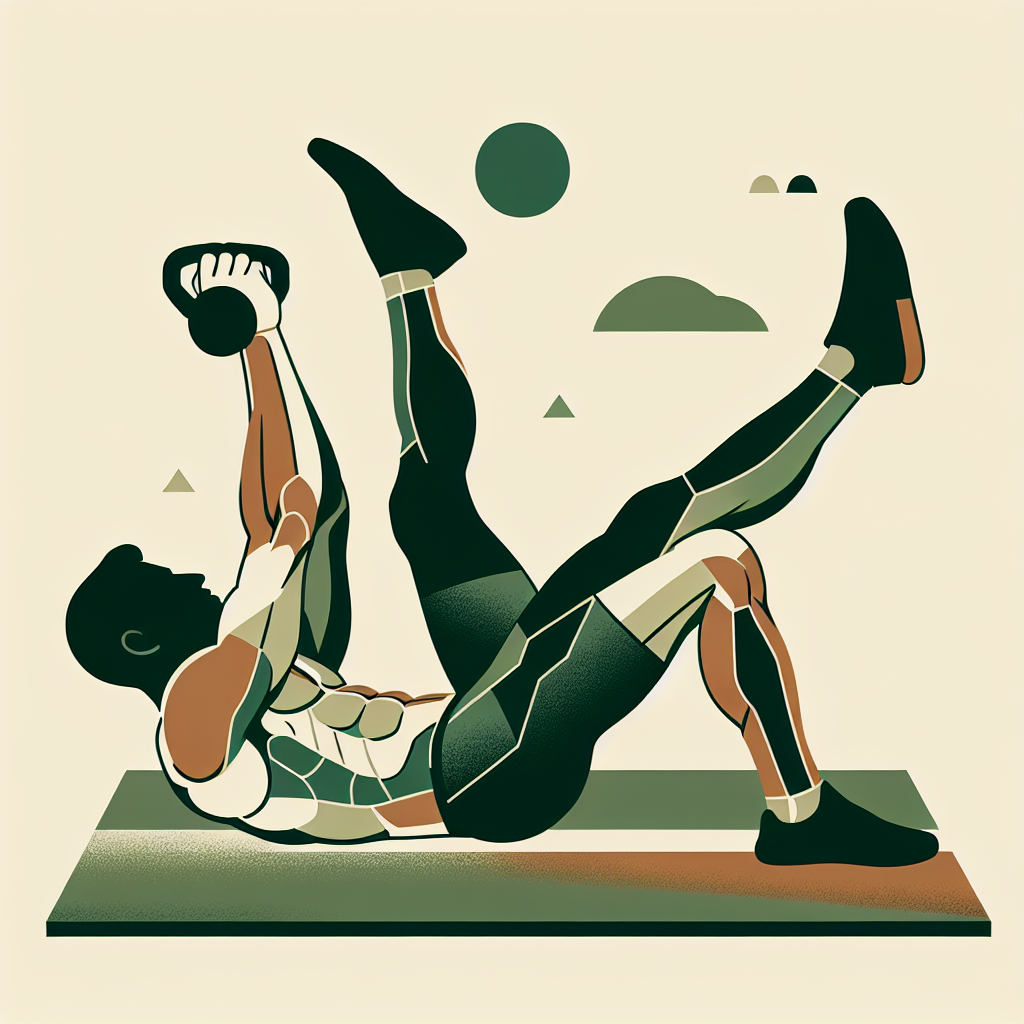
Turkish Get-Up exercise illustration — floor to elbow phase
🧘

Turkish Get-Up

Partial Range · Shoulder + Hip

The TGU is one of the most therapeutic full-body movements that exists — when done slowly and deliberately. We use partial progressions here to build the pattern without loading joints that aren't ready.

1
Floor to elbow Start lying on your back, bell in one hand pressed straight up. Roll to same-side elbow, keeping bell locked overhead. Pause. Breathe.
2
Elbow to hand Push through to a straight wrist. Keep the bell ceiling-pointed. Hip bridges up at this point — this is where the glute engages.
3
Reverse and reset Reverse back to the floor slowly. This is the healing part — the controlled descent. Don't rush it. Do 3–5 reps per side, never to fatigue.

Form cue: "Watch the bell the whole way up. Where your eyes go, your spine follows." — slow is smooth, smooth is healing.
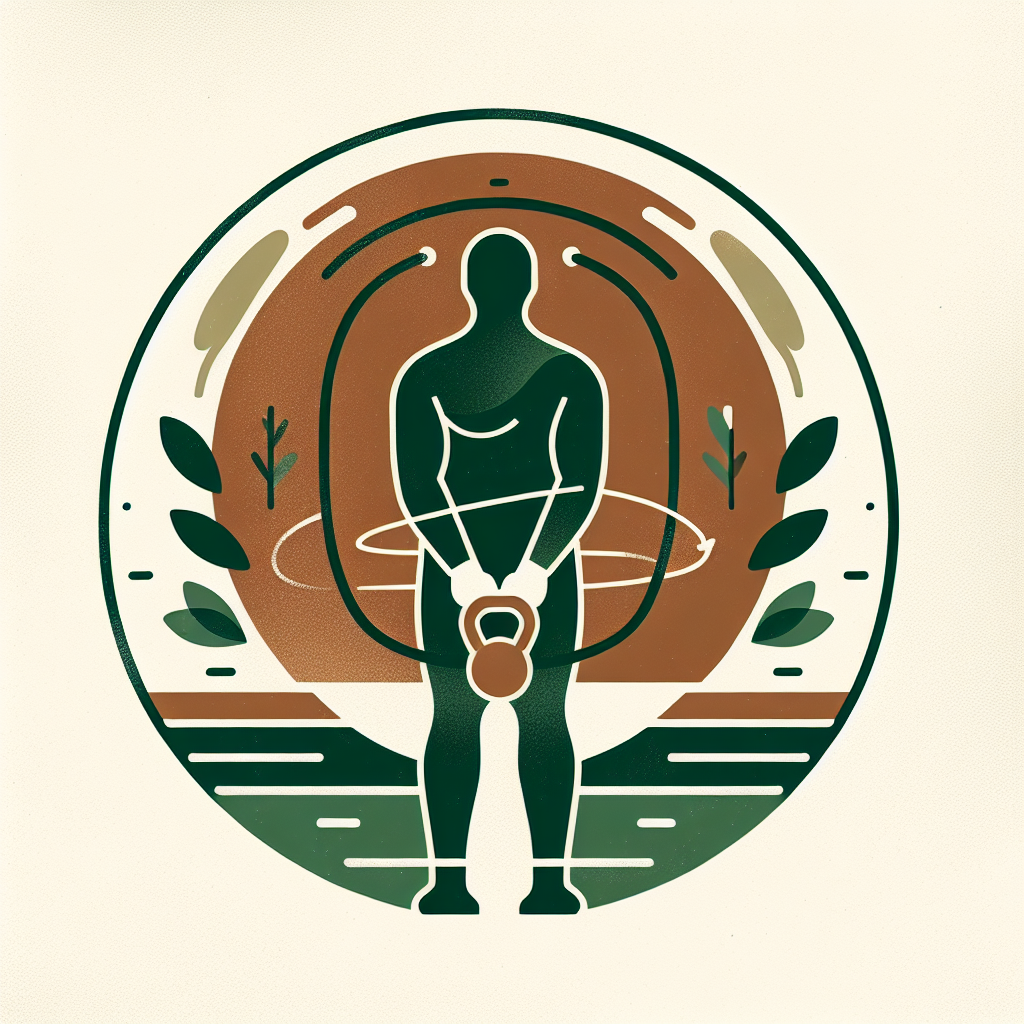
Kettlebell Halos exercise illustration — circling bell around head
🔄

Kettlebell Halos

Shoulder + Neck Mobility

Halos are the single best drill for shoulder and thoracic mobility. Light load only — this isn't about strength. It's about restoring the full range of motion your shoulders have been losing in the forward-rounded desk position.

1
Hold bell at chest, horns up Grip the bell by its horns (the sides of the handle). Bring it to your sternum. Feet shoulder-width, knees soft.
2
Circle around the head Slowly circle the bell around your head — bell passes behind the neck at the back. Keep your torso still. Elbows close to your ears at the back.
3
Alternate directions 5 clockwise, 5 counterclockwise. Never rush this. If you feel impingement, use a lighter bell.

Form cue: "Ribs down, abs braced — don't let the lower back arch to compensate." The bell should challenge the shoulder, not the spine.
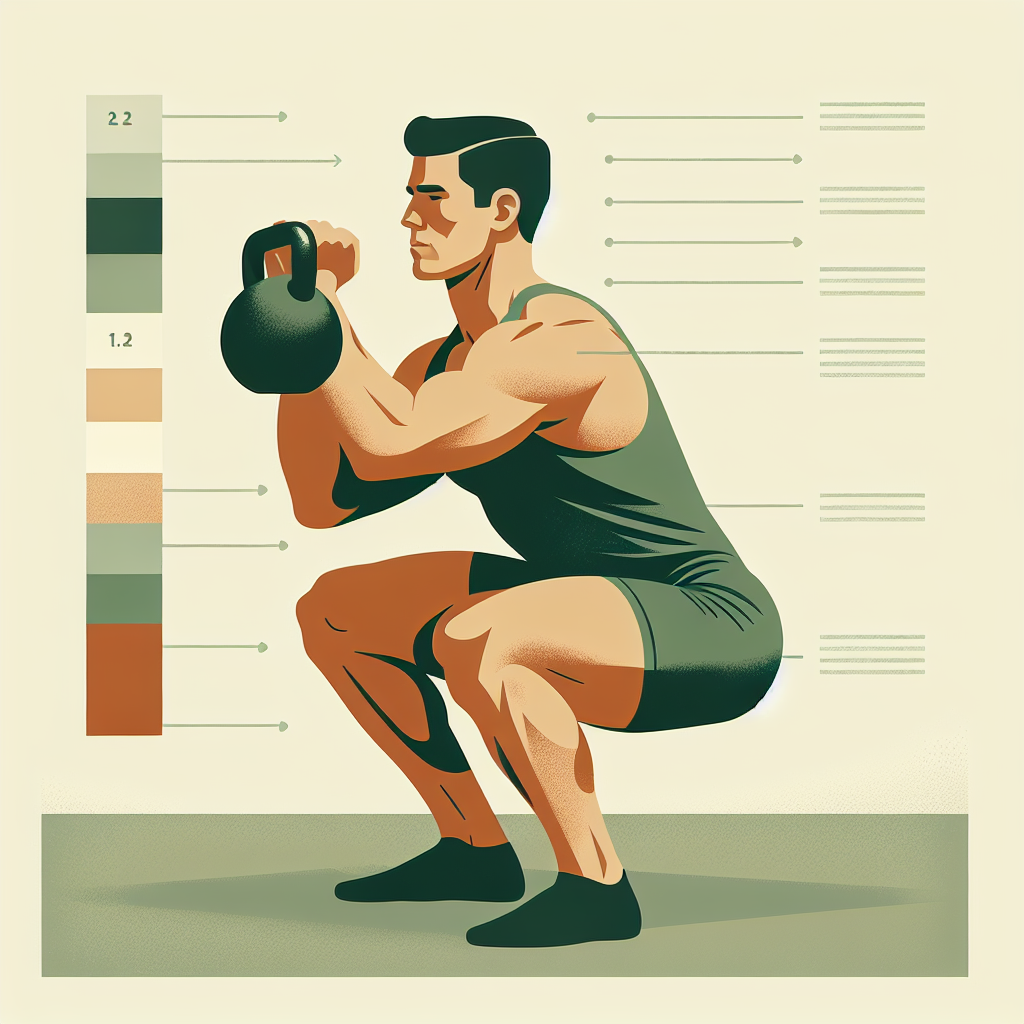
Goblet Squat Hold illustration — deep squat hip opener with kettlebell
🏔

Goblet Squat Hold

Hip Opener · Not Strength Builder

The goblet squat hold is a loaded stretch, not an exercise. The bell acts as a counterbalance so you can sit deeper than a bodyweight squat while your hips open up. Most adults have forgotten what it feels like to fully flex the hip.

1
Descend slowly, hold at bottom Hold bell at chest, feet just outside shoulder-width. Squat down. At the bottom, use your elbows to gently push your knees apart.
2
Breathe into the stretch Stay here for 5–10 breaths. Each exhale, let the hips sink a little deeper. This is decompression for the hip joint.
3
Rise deliberately Drive through the whole foot. Don't rush the ascent. Do 3–5 reps, pausing at the bottom each time.

Form cue: "Heels stay on the floor. If they rise, you've gone too wide or your ankles need more mobility work first — start shallower."
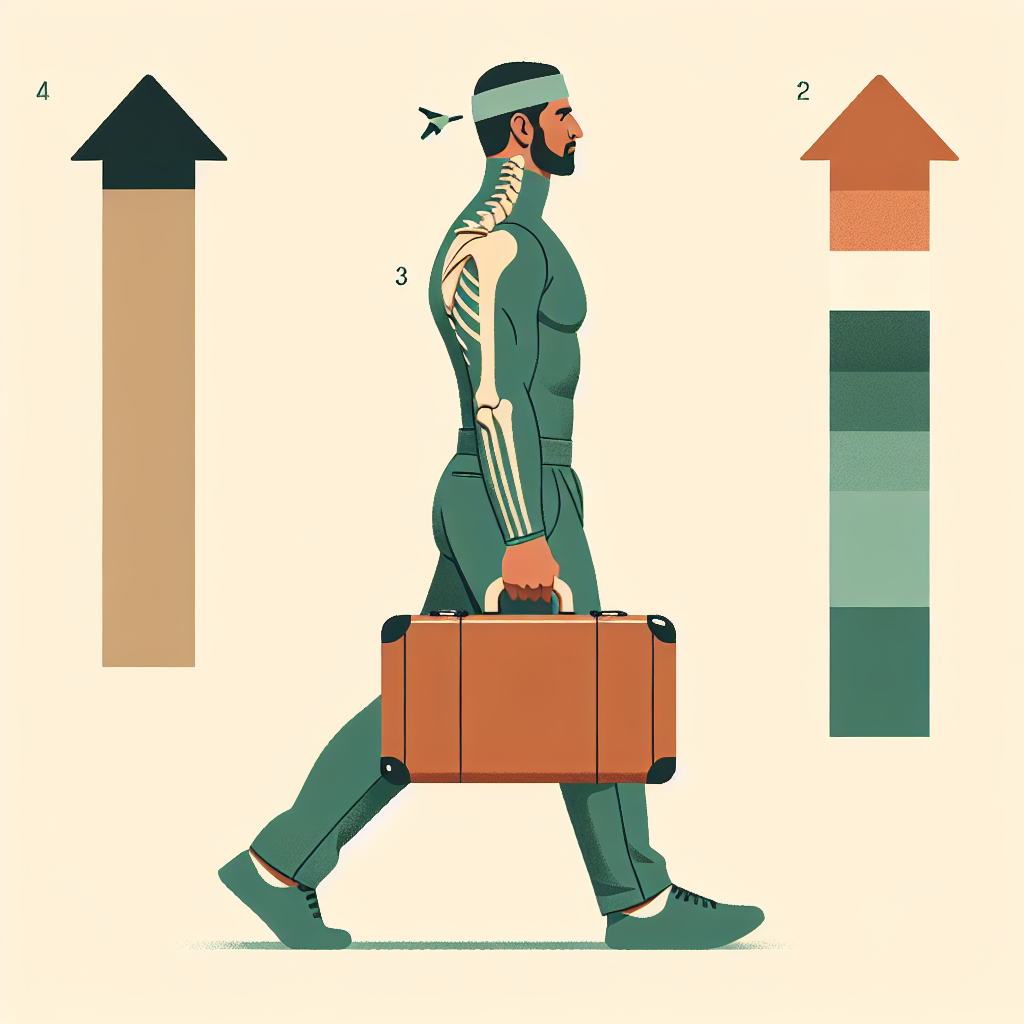
Single-Arm Farmer Carry illustration — walking upright with kettlebell at side
🚶

Single-Arm Farmer Carry

Posture Correction · Core Activation

Walking with a load on one side forces your core to resist lateral tilt. This is the most functional posture exercise you can do — it directly trains the muscles that keep you upright. 10 minutes of suitcase carries per week does more for posture than most "core workouts."

1
Bell at your side, shoulder packed Hold the bell like a suitcase. Pull the shoulder blade down and back — "pack" the shoulder before you take your first step.
2
Walk slowly, don't lean Walk 20–30 steps. Your torso should stay perfectly vertical — resist the urge to lean away from the bell. That anti-lean tension is the whole exercise.
3
Switch hands, repeat Equal reps both sides. If one side is dramatically harder, that's diagnostic — that hip/shoulder complex needs more attention.

Form cue: "Tall spine, ribs stacked over hips, chin level. Pretend someone's watching your posture from the side — because the world is."
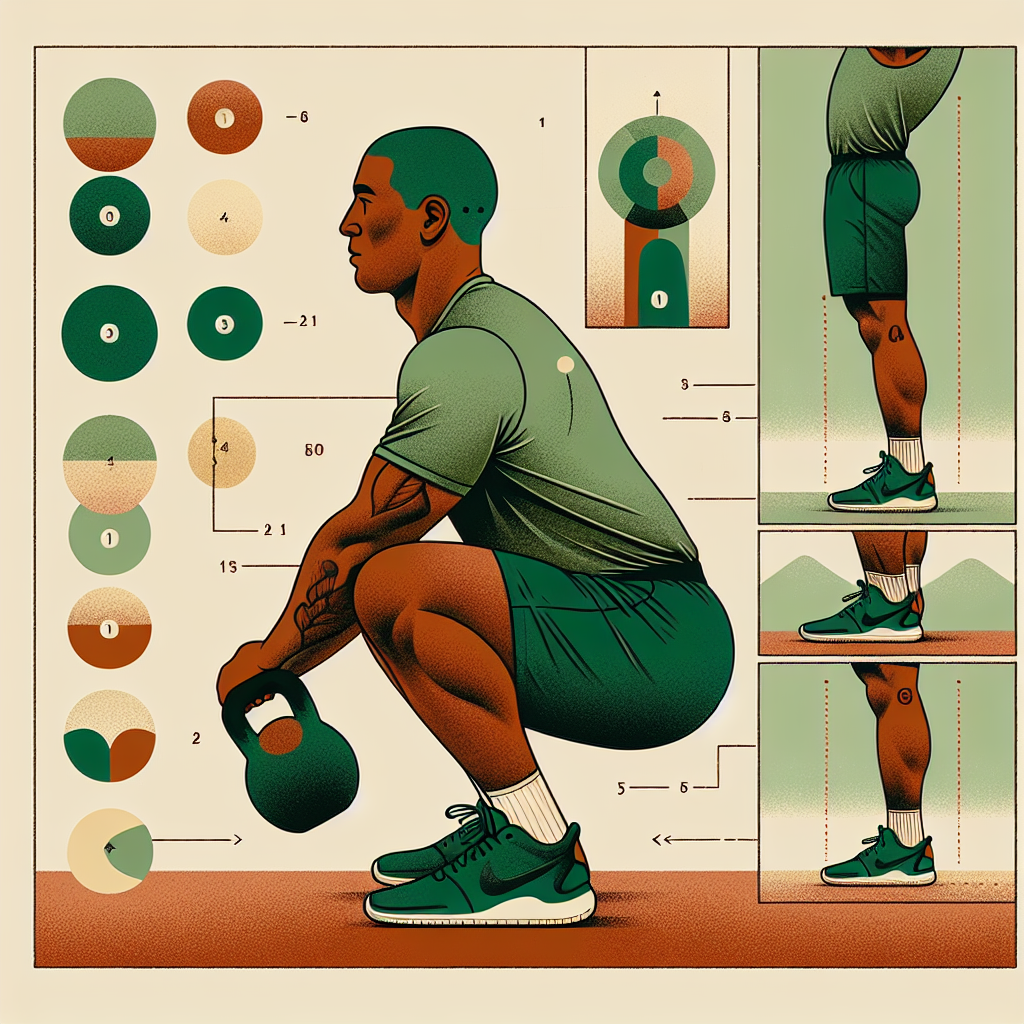
Hip Hinge Swing illustration — loaded hip hinge position, flat back
🌊

Gentle Hip-Hinge Swings

Hip Patterning · Not Power Training

The swing is a hinge pattern — the same pattern your body uses every time you pick something up off the floor. Most adults have lost this pattern and replaced it with spinal flexion (rounding the back). These gentle swings are about re-teaching the movement, not building power.

1
Hip hinge, not squat Start with the bell between your feet. Push hips back — think "hands in your back pockets." Your torso tilts forward, back stays flat. Feel the hamstring load.
2
Drive with the hips, not the arms Arms are just hooks. The power comes from squeezing the glutes and snapping the hips forward. Bell floats to chest height at most — this is a low-intensity version.
3
Breathe with the movement Exhale sharply at the top of the swing (glute squeeze). Inhale on the way back. 10–15 slow reps. Never to fatigue.

Form cue: "If your lower back is doing the work, you're squatting. Push the hips back — butt to the wall behind you — until you feel the hamstrings load."
Section 02 — Breathwork & Breathing Patterns

Your nervous system
runs on breath.

Every healing process in your body is regulated by the autonomic nervous system. Breath is the only part of that system you can consciously control. These patterns are the tools.

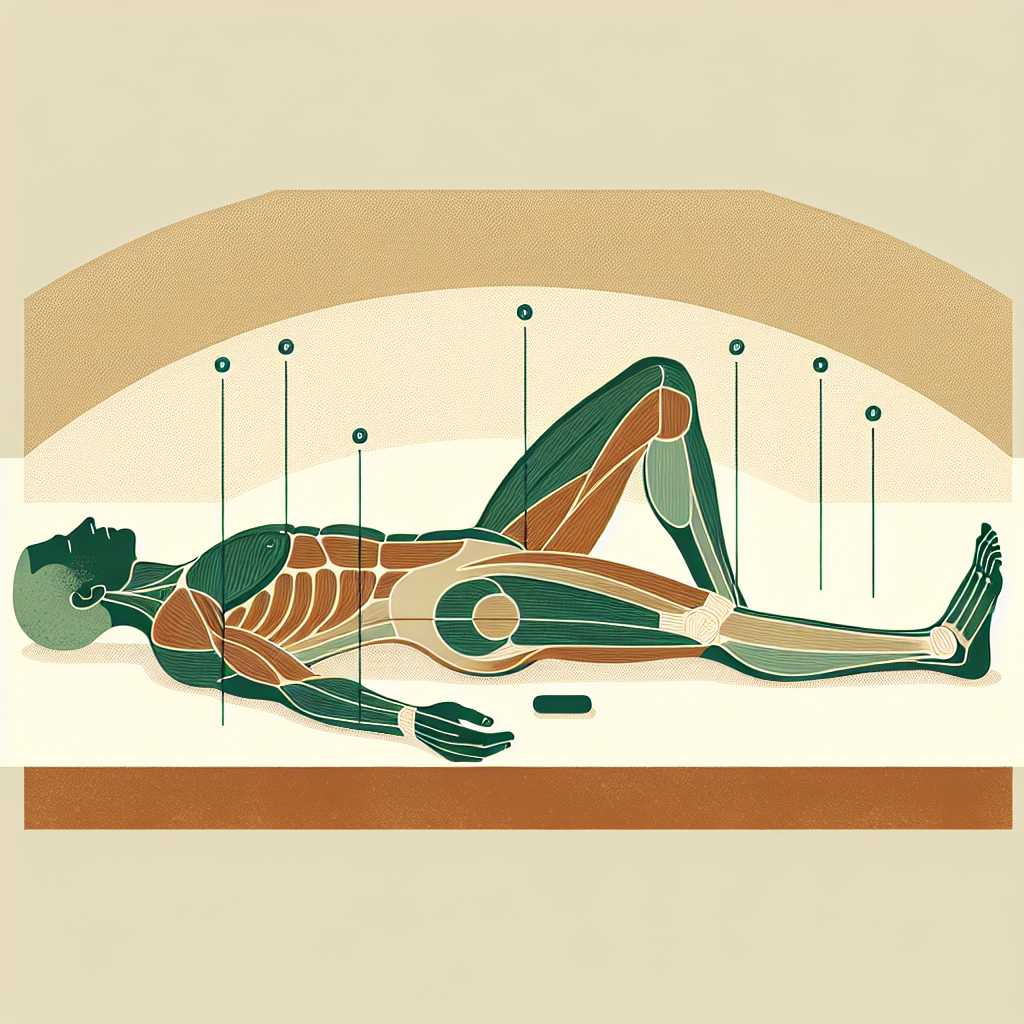
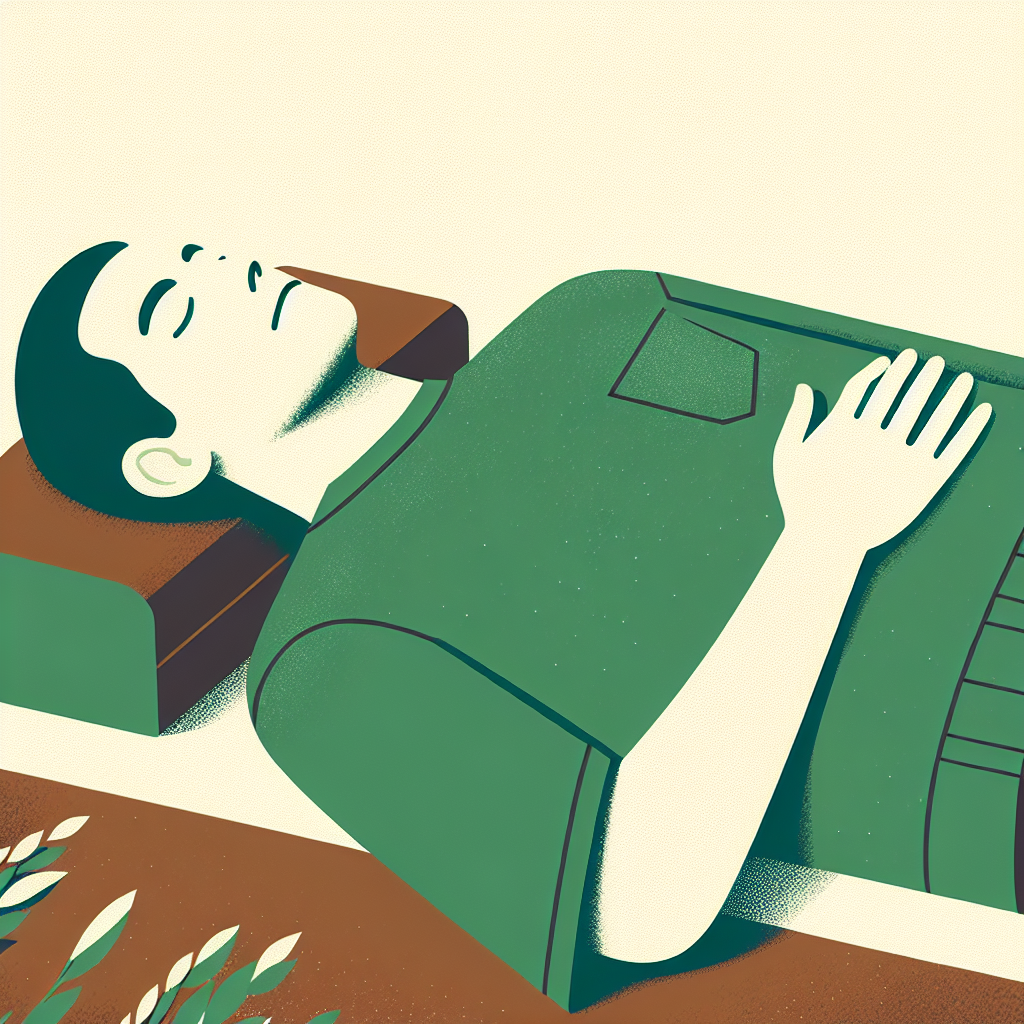
Diaphragmatic breathing position — lying on back, hands on chest and belly 🫁

Diaphragmatic Breathing

Foundation · Use All Day

Most adults breathe from their chest — shallow, high, and fast. This activates the sympathetic nervous system (fight/flight). Belly breathing reverses this. One hand on your chest, one on your belly. The chest hand shouldn't move.

Technique
  • Lie on your back or sit upright. Place one hand on your belly, just below your navel.
  • Inhale through your nose for 4 counts — belly rises first, then chest. The hand rises.
  • Exhale through your mouth for 6 counts — belly falls first, then chest. Slow release.
  • The ratio matters: exhale longer than inhale to activate the parasympathetic system.
  • Practice 5 minutes daily. It feels awkward for the first week. Do it anyway.
📦

Box Breathing

4-4-4-4 · Nervous System Reset

Four equal sides of a box. Inhale, hold, exhale, hold. Used by Navy SEALs for stress regulation — it works because the breath holds interrupt the body's stress response and force the nervous system to reset.

Inhale 4
Hold 4
Exhale 4
Hold 4
When to use it
  • Before a difficult conversation or decision
  • After receiving stressful news — do 4 rounds before responding
  • Pre-workout to prime the nervous system for intentional movement
  • Any time you notice shallow chest breathing or jaw tension
🔁

Breath + Movement Pairing

Inhale Extend · Exhale Contract

Most people hold their breath during movement, which spikes intra-abdominal pressure and reinforces compensation patterns. Pairing breath with movement is what separates therapeutic exercise from just exercise.

The universal rule
  • Inhale on extension — reaching up, standing tall, opening the chest.
  • Exhale on contraction — pressing down, bending forward, the effort phase.
  • Example: goblet squat — inhale on the way down (hips extend back), exhale on the way up (glutes contract).
  • Example: TGU — inhale as you reach overhead, exhale as you push through to the elbow.
  • If you forget the rule, just breathe. Not breathing is always worse than imperfect timing.
🌅

Morning Wake-Up Sequence

5 Minutes · Before Devices

The first thing you do in the morning sets your nervous system tone for the day. This sequence takes 5 minutes and replaces the cortisol spike you'd otherwise get from immediately reaching for your phone.

The sequence
  • Min 1–2: Diaphragmatic breathing in bed. 4-in, 6-out. Don't open your eyes yet.
  • Min 3: 5 box breaths (4-4-4-4). This is your transition to alertness.
  • Min 4: Sit upright. 10 slow neck circles each direction paired with breath. Inhale up, exhale down.
  • Min 5: 10 slow shoulder shrugs — inhale and lift, exhale and release. Feel the tension release.
  • Then: water before coffee. Still no phone.
🌙

Pre-Sleep Wind-Down

10 Minutes · Screen-Free

Sleep is when healing happens. If you're going to bed with a cortisol-spiked sympathetic nervous system, your sleep quality is compromised regardless of how many hours you get. This sequence shifts your body into the parasympathetic state needed for restorative sleep.

The sequence
  • 4-7-8 breathing: Inhale 4, hold 7, exhale 8. The extended exhale is the key — it dumps CO₂ and slows the heart rate.
  • Do 4–6 rounds lying down. Eyes closed.
  • After the last round, take 3 full natural breaths and let your body breathe on its own.
  • If your mind wanders, return to counting the breath. That's not failure — that's the practice.

Breath Hold for Recovery

Parasympathetic Activation

After controlled exhale breath holds, the body experiences a recovery rebound — heart rate drops, CO₂ tolerance improves, and the parasympathetic nervous system activates strongly. This is used intentionally in recovery and stress management protocols.

Protocol (not for beginners — build up gradually)
  • Take 3 full belly breaths in and out.
  • On the 4th exhale, breathe out fully and comfortably hold. Don't strain.
  • Hold until you feel the first urge to breathe (not distress — just the signal).
  • Then inhale slowly and naturally. Notice the parasympathetic response.
  • Never push past comfort. If you feel dizzy, stop. This should feel calm, not intense.
Section 03 — Restorative Stretches & Mobility

Move what's stuck.
Restore what's lost.

Flexibility isn't a flexibility problem — it's a strength and control problem. These sequences build range of motion you can actually use, not just passive flexibility that disappears the moment you need it.

🔗

Daily Joint Mobility Flow

10 Minutes · Every Joint

Start at the ankles and work your way up. This systematic joint-by-joint approach is based on the joint-by-joint principle: some joints are built for mobility (ankles, hips, thoracic spine), some for stability (knees, lumbar spine). Train them accordingly.

Bottom-up flow
  • Ankles — 10 circles each direction, 5 reps toe raises + heel raises
  • Knees — gentle flexion/extension, quad stretch 30s each side
  • Hips — 10 leg swings (forward-back, then side-to-side) per leg
  • Thoracic spine — 10 cat-cow, 10 quadruped thoracic rotations per side
  • Shoulders — 10 arm circles each direction, 10 wall slides
  • Neck — 5 slow ear-to-shoulder tilts per side, no rotation cranking
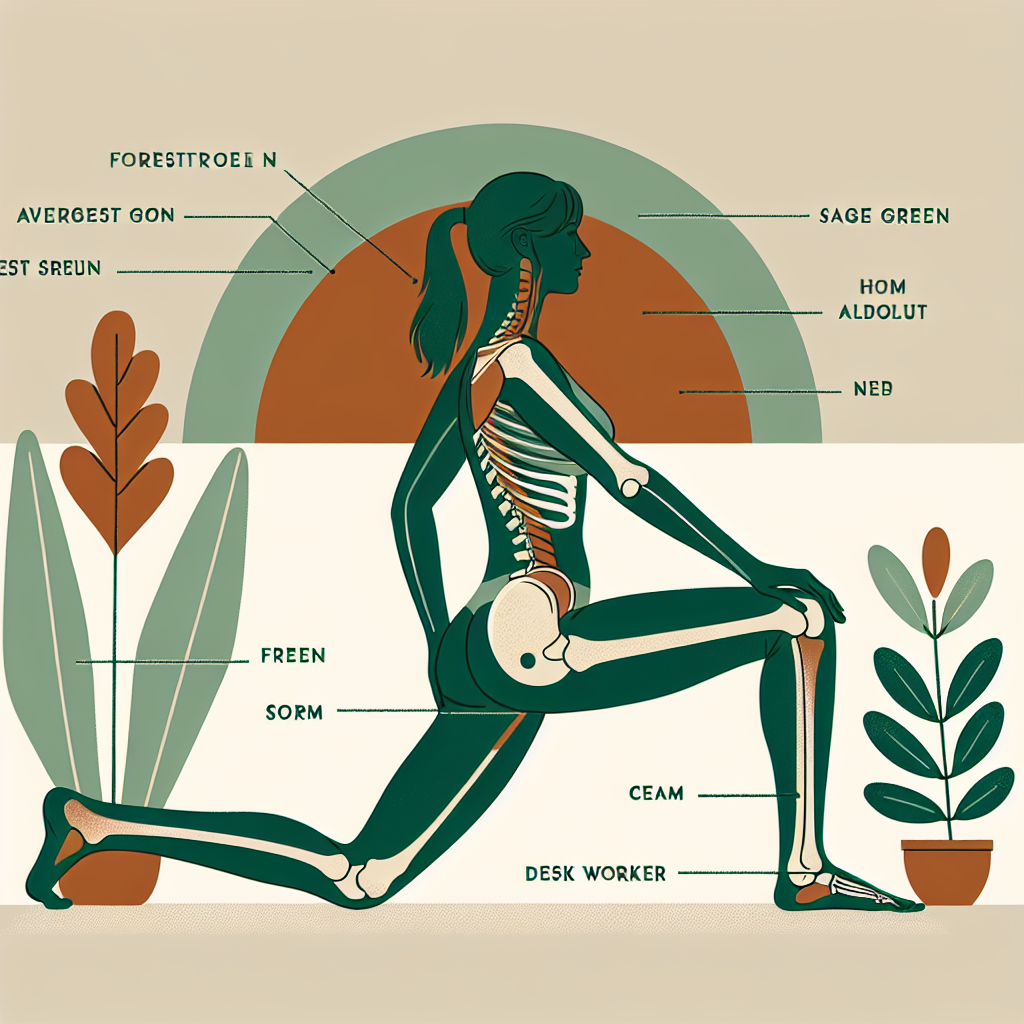
Hip flexor lunge stretch illustration — kneeling lunge position for functional recovery 🌿

Daily Recovery Stretching

Post-Movement · 10 Minutes

Do this after any movement session, or on its own as an evening wind-down. Hold each position for a full breath cycle — not a sprint to the next position. The nervous system needs time to register the new range before it releases.

Sequence (30–45 seconds each)
  • Supine piriformis stretch (figure-four) — lower back and glute relief
  • Hip flexor lunge hold — the most needed stretch for those sitting all day
  • Doorframe pectoral stretch — chest opener for forward posture correction
  • Thread-the-needle thoracic rotation — upper back decompression
  • Child's pose with lateral reach — lat and shoulder stretch
  • Seated hamstring stretch with dorsiflexed foot — full posterior chain
🌄

Morning Stretch Routine

10 Minutes · Before Breakfast

Morning movement primes the lymphatic system, lubricates the joints, and tells your body the day has started. Cold, stiff joints from 7–8 hours of stillness need gentle input before you load them — not immediately, but within the first hour of waking.

Sequence
  • 90/90 hip stretch — 2 minutes each side (most impactful position for hip health)
  • World's greatest stretch — 5 reps per side. Hip flexor + thoracic + hamstring in one.
  • Wall shoulder stretch — palms on wall, hinge forward until chest drops below hands
  • Downward dog to sphinx — alternating 5x. Full posterior and anterior chain.
  • Deep squat hold — 2 minutes total, use doorframe for support if needed
Legs up the wall restorative pose illustration — evening recovery position 🌙

Evening Recovery Routine

15 Minutes · Floor-Based

Evening stretching is about decompression after loading. Your spine has been compressed under gravity all day. These floor-based positions unload the spine and prepare the body for the restorative sleep it needs to actually heal.

Sequence
  • Supine knee-to-chest pulls — 1 minute each side, then both
  • Supine spinal twist — 2 minutes each side, no forcing
  • Legs up the wall — 5 minutes, calves on wall. Gravity-assisted lymph return.
  • Supported bridge hold — pillow under sacrum. Passive hip flexor release.
  • Savasana with belly breathing — 3 minutes. This isn't yoga theater. It's parasympathetic activation.
💧

Lymphatic-Supporting Movements

The lymphatic system has no pump — it relies entirely on muscular contraction and gravity to move fluid. These movements are specifically chosen to support lymphatic drainage: reducing inflammation, clearing metabolic waste, and supporting immune function. These pair with the lymphatic drainage guide.

Legs Up the Wall (5–10 min) Calf Raises (50–100 reps) Diaphragmatic Breathing Gentle Rebounding Walking (minimum 20 min) Arm Circles

The Desk Worker Protocol

If you sit 6–8 hours a day, your hips are chronically shortened, your thoracic spine is locked in flexion, and your glutes have likely forgotten how to fire properly. This isn't about punishment — it's about countering what your job is doing to your body.

🌅 Morning (10 min)

  • 5 minutes diaphragmatic breathing before devices
  • 90/90 hip stretch, 2 min each side
  • 10 goblet squat holds (pause at bottom)
  • 10 kettlebell halos to open the shoulders

☀️ Mid-Day (5 min, hourly if possible)

  • Stand up. Walk to water. Drink the water.
  • 10 hip flexor lunges each side
  • 10 wall slides (hands up the wall)
  • 3 rounds of box breathing

🌙 Evening (15 min)

  • Full mobility flow (bottom-up, 10 min)
  • Legs up the wall, 5 min
  • Pre-sleep 4-7-8 breathing sequence

2x Weekly (15 min)

  • Turkish get-up progressions, 3–5 reps per side
  • Gentle hip-hinge swings, 3 sets of 10
  • Single-arm farmer carries, 3 lengths
Ready to Start?

Start your healing journey with a free conversation.

Paul works with those who need a body tune-up in Janesville, WI — in person, and with custom programming for clients who travel or work remotely. The intro is free. The conversation is honest.

Book a Free Intro Consultation